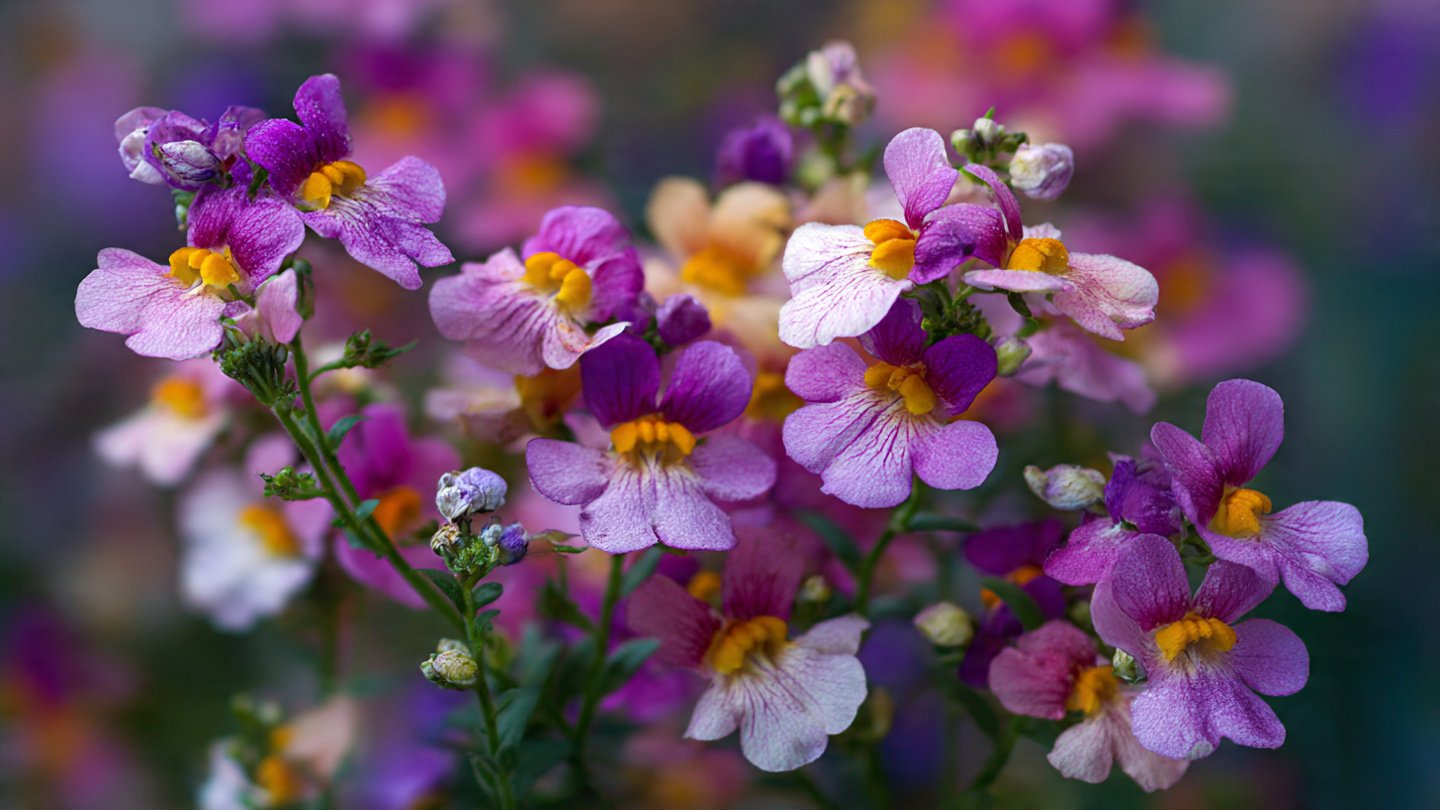
Nemesia, with its delicate blossoms and sweet fragrance, is a delightful addition to any garden. Renowned for its long blooming season and low maintenance requirements, it’s an ideal choice for gardeners of all levels. This guide will walk you through how to grow, care for, and maximize the beauty and aroma of nemesia throughout the season.
Understanding Nemesia
Overview of the Plant
Latest Posts
- OnePlus Turbo 6V 5G Launched – for Gamers with 9000mAh Battery, 220MP Camera & Snapdragon 8s Gen 4
- Realme GT 8 Pro Officially Launched – 200MP Camera, 7,000mAh Battery and Snapdragon 8 Elite
- OPPO K13 Turbo 5G Launched – 7,000mAh Battery, 50MP Camera and High-Performance Chipset
- Realme 17 Pro 5G Unveiled – IP69K Certified, 200MP Camera and Massive 8600mAh Battery
- Vivo Premium Smartphone Launched – 200MP Camera, 90W Fast Charging and 16GB RAM
- POCO F8 Ultra Launched – Snapdragon Flagship Power, Bose Audio and Huge Battery
- POCO F8 Ultra Launched – Snapdragon Flagship Power, Bose Audio and Huge Battery
- OnePlus Nord 3 5G Launched – 120Hz AMOLED Display, 50MP Camera and 5,000mAh Battery
- OnePlus Nord CE4 Launched – Powerful Snapdragon 7 Gen 3, 50MP Camera and Long-Lasting Battery
- OnePlus Smartphone Revealed – Premium 5G Smartphone with 200MP Camera, 24GB RAM and 100W Fast Charging
Nemesia belongs to the Scrophulariaceae family and is native to South Africa. These charming plants are often recognized by their small, tubular flowers that come in a variety of colors, including white, yellow, orange, pink, and purple. They are annuals in colder climates and perennials in warmer ones. Their fragrant blooms make them a favorite for borders, containers, and hanging baskets.
Varieties of Nemesia
While there are several species of nemesia, some of the most popular include:
- Nemesia strumosa: This type features a wide range of colors and patterns.
- Nemesia caerulea: Known for its striking blue flowers.
- Nemesia fruticans: A perennial version, ideal for warmer climates.
Choosing the right variety for your garden can help you achieve the aesthetic and aromatic qualities you desire.
Growing Nemesia: Step-by-Step Guide
1. Selecting a Growing Location
Nemesia thrives in full sun to partial shade. Ideally, choose a spot that receives at least 6 hours of sunlight per day. However, in hotter regions, some afternoon shade can prevent the plants from wilting.

Soil Requirements
Nemesia prefers well-draining soil rich in organic matter. A loamy or sandy soil that allows for good drainage is best. If your garden soil is heavy or clay-like, consider amending it with compost or well-rotted manure.
2. Preparing the Soil
Before planting, enhance the soil’s fertility and structure:
- Testing pH: Nemesia grows best in slightly acidic to neutral pH levels (6.0 to 7.0).
- Amending Soil: Add organic matter, such as compost, to improve drainage and nutrient content. This will also help retain moisture in drier conditions.
3. Planting Nemesia
Sowing Seeds
You can start nemesia from seeds indoors about 6-8 weeks before the last frost date or directly sow outdoors once the threat of frost has passed.
-
Indoors: Use seed trays filled with seed compost. Sow the seeds and lightly cover them with soil. Keep the soil moist and provide warmth to encourage germination.
-
Outdoors: Space seeds about 12-15 inches apart to allow for their growth. Water them gently after sowing.

Transplanting Seedlings
Once seedlings are 2-4 inches tall and have their first set of true leaves, they can be transplanted outdoors.
- Harden Off: Gradually acclimate them to the outdoor conditions over a week before planting.
- Spacing: Space them 10-12 inches apart to allow for their mature size.
4. Watering Needs
Nemesia requires consistent moisture but is highly susceptible to root rot.
- Watering: Water the plants deeply but infrequently, allowing the top inch of soil to dry out between waterings.
- Mulching: Applying a layer of mulch can help retain soil moisture and suppress weeds.
5. Providing Nutrients
Feed nemesia with a balanced, water-soluble fertilizer every 4-6 weeks during the growing season. This will encourage abundant blooms and maintain overall plant health.
- Organic Options: Consider using fish emulsion or kelp fertilizer for a more natural approach.
Caring for Nemesia
1. Pruning

Regular deadheading will promote longer blooming periods. Remove spent flowers to encourage new buds to form.
- Cut Back: After the first wave of blooms, you can cut the plants back by a third. This encourages new growth and flowering.
2. Pest and Disease Management
Nemesia is generally resilient, but it’s essential to watch out for pests such as aphids and spider mites.
- Prevention: Regularly inspect your plants and remove any unhealthy foliage.
- Treatment: If pests are found, treat with insecticidal soap or neem oil to eliminate infestations organically.
3. Dealing with Weather Extremes
Nemesia is relatively hardy, but extreme weather can affect growth:
- Heat: In very hot climates, provide some afternoon shade.
- Frost: Cover with row covers or bring container plants indoors during cold snaps.
Propagating Nemesia
If you want to expand your nemesia collection, propagation can be easily achieved through cuttings.

- Taking Cuttings: In late spring or early summer, take 4-6 inch cuttings from healthy plants.
- Rooting: Place cuttings in a pot with well-draining soil. Keep moist until roots develop.
- Transplanting: Once rooted, care for the new plants as you would mature nemesia.
Creating Stunning Displays with Nemesia
1. Companion Planting
Nemesia pairs beautifully with various other flowers, contributing to a vibrant garden:
- Petunias: For a burst of color and texture.
- Coleus: Adds visual interest with its foliage.
- Geraniums: Perfect for contrasting heights and colors.
2. Container Gardening
Nemesia does exceptionally well in pots, enabling mobility and adaptability in your garden design:
- Mixing Colors: Create a stunning display by mixing multiple colors in one container.
- Hanging Baskets: Their trailing growth can be appealing in hanging baskets, allowing the blossoms to cascade gracefully.
Seasonal Care and Challenges

1. Keeping Nemesia Blooming
To ensure a continuous supply of fragrant blooms from spring through fall, maintain consistent care:
- Seasonal Fertilizing: Regular feeding as mentioned earlier is vital for prolonged blooming.
- Watering Adjustments: As weather conditions change, monitor and adjust your watering schedule accordingly.
2. Preparing for Weather Changes
As fall approaches and temperatures begin to drop, consider:
- Protecting from Frost: Simple row covers or bringing potted plants indoors can prolong the life of your nemesia.
- Final Pruning: In late fall, after the first hard frost, cut back the plants to prepare them for dormancy.
Summing Up: Nemesia for Your Garden
Growing nemesia allows anyone to enjoy beautiful, fragrant blooms throughout the warmer months. This low-maintenance plant is perfect for beginners and seasoned gardeners alike. With the right care, including proper planting, watering, and feeding, you can create a vibrant setting filled with delightful scents.
So, gather your seeds and get ready to enhance your garden with the charm of nemesia! Whether you’re looking to create a colorful border, stunning container displays, or an inviting hanging basket, these flowers will undoubtedly beautify your outdoor space and fill it with sweet fragrance. Happy gardening!
Leave a Reply