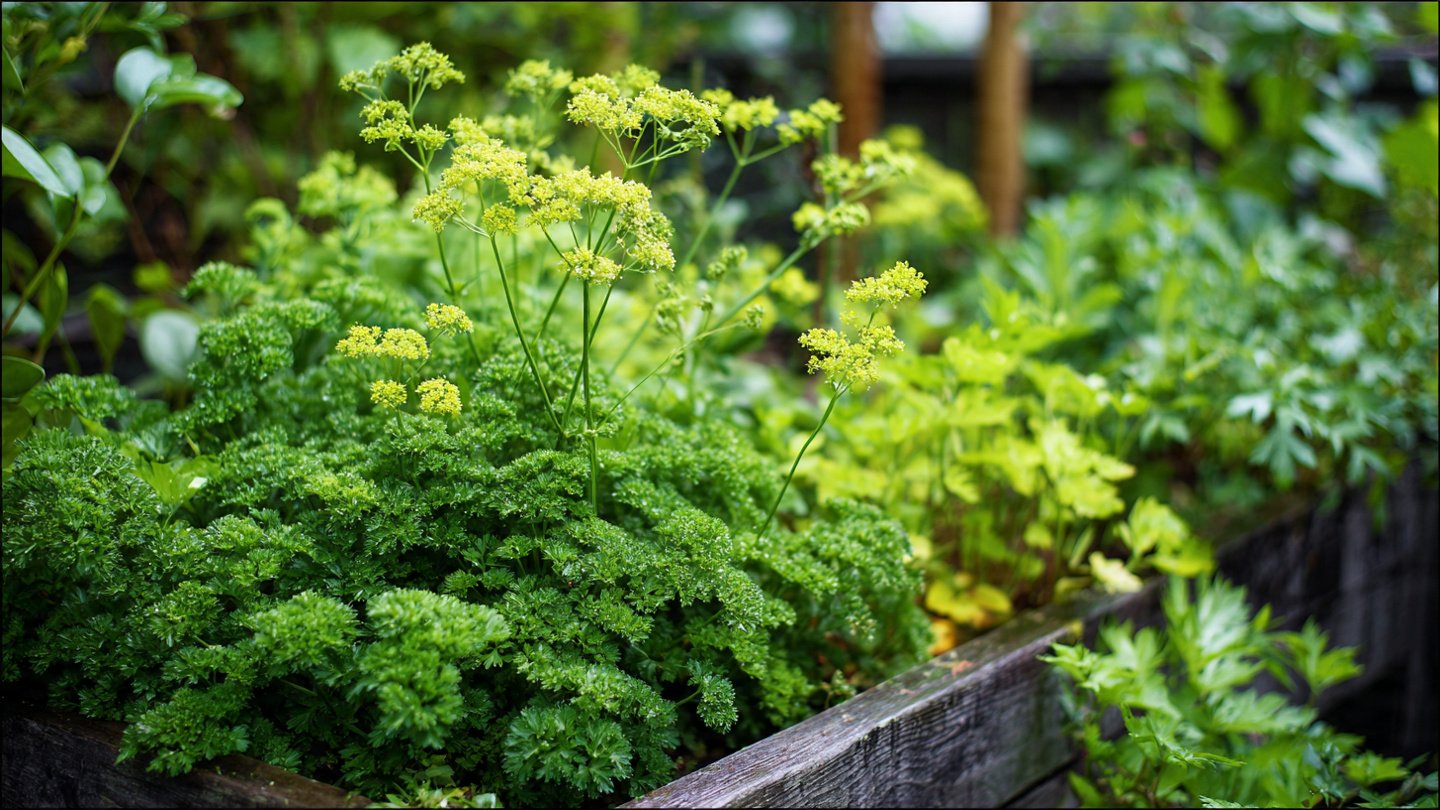
Growing herbs is a rewarding endeavor that can elevate your culinary experiences and beautify your garden space. Among the various herbs, parsley is a culinary staple that has been cherished for centuries for its flavor and nutritional benefits. When it comes to parsley, “Slow Bolt” is a variety that stands out for its resilience and extended growing season. In this article, we will explore the best methods to grow Slow Bolt parsley effectively, ensuring you have a thriving herb garden.
Understanding Slow Bolt Parsley
“Slow Bolt” parsley (Petroselinum crispum) is a biennial herb that is known for its flat-leaf variety, which is often preferred by chefs due to its robust flavor. As the name suggests, this variety is specifically bred to delay bolting, the process of flowering and producing seeds, which can affect the taste and quality of the leaves. By focusing on growing Slow Bolt parsley, gardeners can enjoy a longer harvest period of tender and flavorful leaves.
Benefits of Growing Slow Bolt Parsley
- Extended Harvest: One of the most significant advantages of Slow Bolt parsley is that it allows for a prolonged harvesting period. While typical parsley may bolt quickly in warm weather, this variety stays productive longer.
- Versatile Uses: Parsley can be used fresh in salads, as a garnish, or dried for use in cooking throughout the year. Growing your own guarantees fresh ingredients for your recipes.
- Nutritional Value: Parsley is packed with vitamins A, C, and K, along with essential minerals like iron and potassium, making it a valuable addition to your diet.
- Attracts Pollinators: When allowed to flower, parsley attracts beneficial insects, which can help pollinate other plants in your garden.
Preparing for Planting
Selecting the Right Location
Before planting, choose a location that receives at least 6 hours of sunlight each day. Parsley thrives in full sun but can tolerate partial shade, especially in warmer climates. Ensure the area has well-draining soil to prevent water logging, which can lead to root rot.

Soil Preparation
Parsley prefers rich, loamy soil with a pH between 6.0 to 7.0. You can enhance soil fertility by incorporating organic matter such as compost or well-rotted manure. This not only improves soil structure but also provides essential nutrients for healthy plant growth.
- Test the Soil: Consider testing your soil for nutrient content and pH level. Kits are available at garden centers, and adjustments can be made as necessary to improve growing conditions.
- Amend the Soil: If your soil is too acidic or alkaline, you can add lime to raise the pH or sulfur to lower it, based on your soil test results.
- Tilling: Break up the compact soil to a depth of at least 12 inches, mixing in organic matter to create a fertile environment for the seedlings.
Choosing Seeds
When selecting seeds, opt for high-quality, organic Slow Bolt parsley seeds from reputable suppliers. Organic seeds are often better suited to organic gardening practices and result in healthier plants.
Latest Posts
- OnePlus Turbo 6V 5G Launched – for Gamers with 9000mAh Battery, 220MP Camera & Snapdragon 8s Gen 4
- Realme GT 8 Pro Officially Launched – 200MP Camera, 7,000mAh Battery and Snapdragon 8 Elite
- OPPO K13 Turbo 5G Launched – 7,000mAh Battery, 50MP Camera and High-Performance Chipset
- Realme 17 Pro 5G Unveiled – IP69K Certified, 200MP Camera and Massive 8600mAh Battery
- Vivo Premium Smartphone Launched – 200MP Camera, 90W Fast Charging and 16GB RAM
- POCO F8 Ultra Launched – Snapdragon Flagship Power, Bose Audio and Huge Battery
- POCO F8 Ultra Launched – Snapdragon Flagship Power, Bose Audio and Huge Battery
- OnePlus Nord 3 5G Launched – 120Hz AMOLED Display, 50MP Camera and 5,000mAh Battery
- OnePlus Nord CE4 Launched – Powerful Snapdragon 7 Gen 3, 50MP Camera and Long-Lasting Battery
- OnePlus Smartphone Revealed – Premium 5G Smartphone with 200MP Camera, 24GB RAM and 100W Fast Charging
Planting Slow Bolt Parsley
Timing
In most regions, parsley can be sown directly into the ground in early spring or late summer. For a continuous harvest, consider staggering your planting dates every few weeks. In colder climates, you may start seeds indoors 6-8 weeks before the last frost.

Sowing Seeds
- Direct Sowing: Plant seeds about ¼ inch deep and space them 6-8 inches apart. Rows should be spaced at least a foot apart to allow for healthy growth and airflow.
- Seedling Care: If starting seeds indoors, transplant them outdoors when they have a few sets of true leaves and the outdoor conditions are favorable. Harden off seedlings gradually by exposing them to outdoor conditions over a week.
Germination
Parsley seeds have a reputation for slow germination, taking between 14 to 30 days. To enhance germination rates, soak seeds in water for a few hours before planting. This helps soften the seed coat and encourages quicker sprouting.
Caring for Slow Bolt Parsley
Watering
Consistent moisture is crucial for parsley. Water the plants regularly, aiming to keep the soil evenly moist but not soggy. Drip irrigation is effective for delivering water directly to the roots while reducing the risk of fungal diseases on the foliage.
Fertilization
While young plants require little fertilization, established plants can benefit from a balanced, organic fertilizer every 4-6 weeks during the growing season. Look for a formula with equal parts nitrogen, phosphorus, and potassium.

Weeding and Mulching
Weeds can compete with your parsley for nutrients and water. Regularly check for and remove weeds, being careful not to disturb the shallow roots of your plants. Applying a layer of organic mulch can suppress weed growth and help retain soil moisture.
Pest and Disease Management
Parsley can be susceptible to common pests such as aphids, slugs, and whiteflies. Monitor your plants regularly and take action when necessary:
- Aphids: Spray with a strong jet of water or use insecticidal soap for treatment.
- Slugs: Handpick or use slug traps to keep their population in check.
- Whiteflies: Encourage beneficial insects or apply neem oil as a natural pesticide.
Common diseases like root rot can be prevented by ensuring good drainage and rotating crops in your garden.

Harvesting and Storage
When to Harvest
You can begin harvesting parsley once the plants have developed multiple sets of leaves, typically after about 70-90 days from sowing. Harvesting the outer leaves first encourages the plant to continue growing and produces new foliage.
- Method: Use scissors or shears to cut leaves from the base of the stem. Avoid cutting too much at once; taking no more than one-third of the plant at a time allows the parsley to regenerate.
Storing Parsley
Fresh parsley can be stored in the refrigerator for a few days in a sealed bag. For longer storage, consider drying or freezing:
- Drying: Bundle stems together and hang them upside down in a cool, dark, well-ventilated area. Once dried, crumble the leaves and store in airtight containers.
- Freezing: Chop fresh leaves and place them in ice cube trays filled with water. Once frozen, transfer the cubes to freezer bags for convenient use in cooking.
Conclusion
Growing Slow Bolt parsley can be a fulfilling addition to your herb garden, providing a steady supply of fresh, flavorful herbs. By following the essential steps outlined in this guide, from soil preparation and planting to care and harvesting, you can cultivate robust plants that not only enhance your culinary creations but also contribute to a thriving garden ecosystem.

With patience and dedication, you’ll discover the joy of harvesting your own parsley and incorporating it into countless dishes. Remember, every garden is a unique journey; enjoy the process, learn from the challenges, and celebrate the victories along the way. So, roll up your sleeves and get ready to grow your very own Slow Bolt parsley!
Leave a Reply